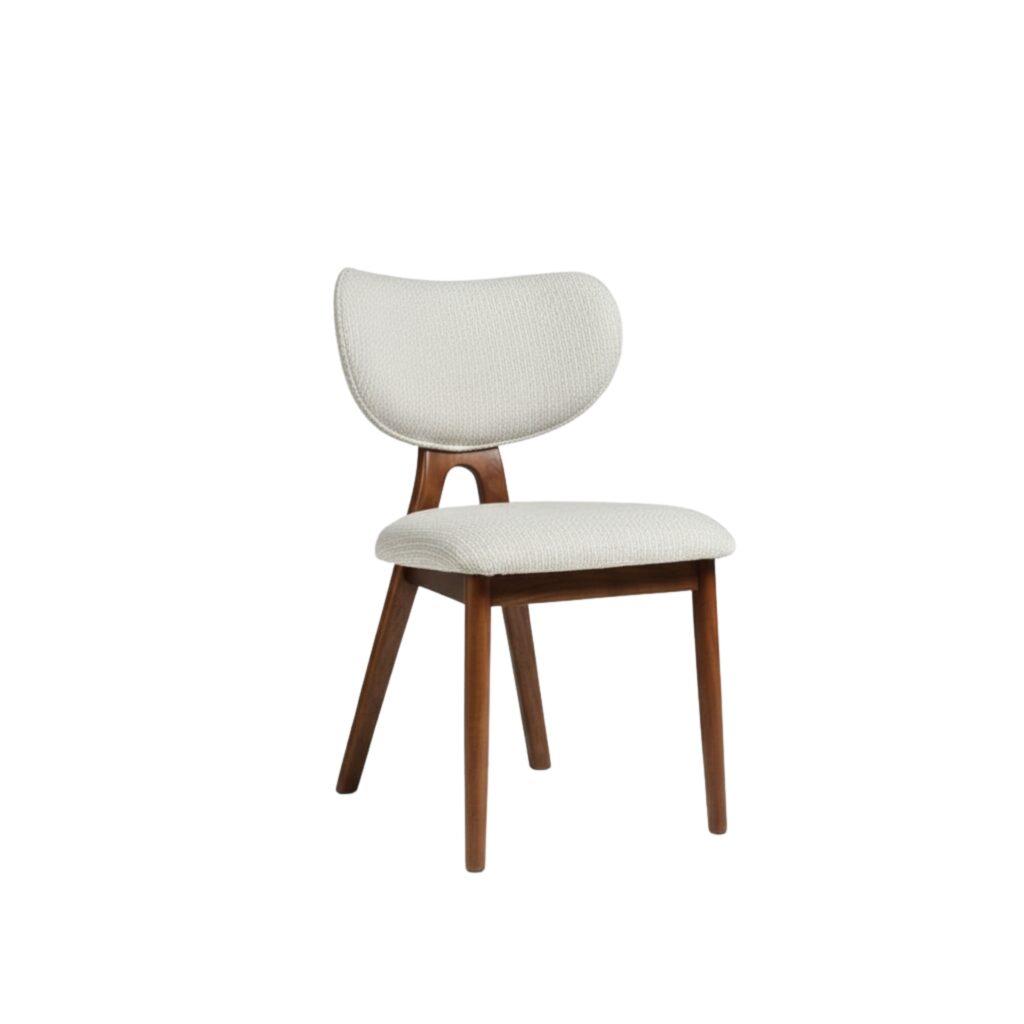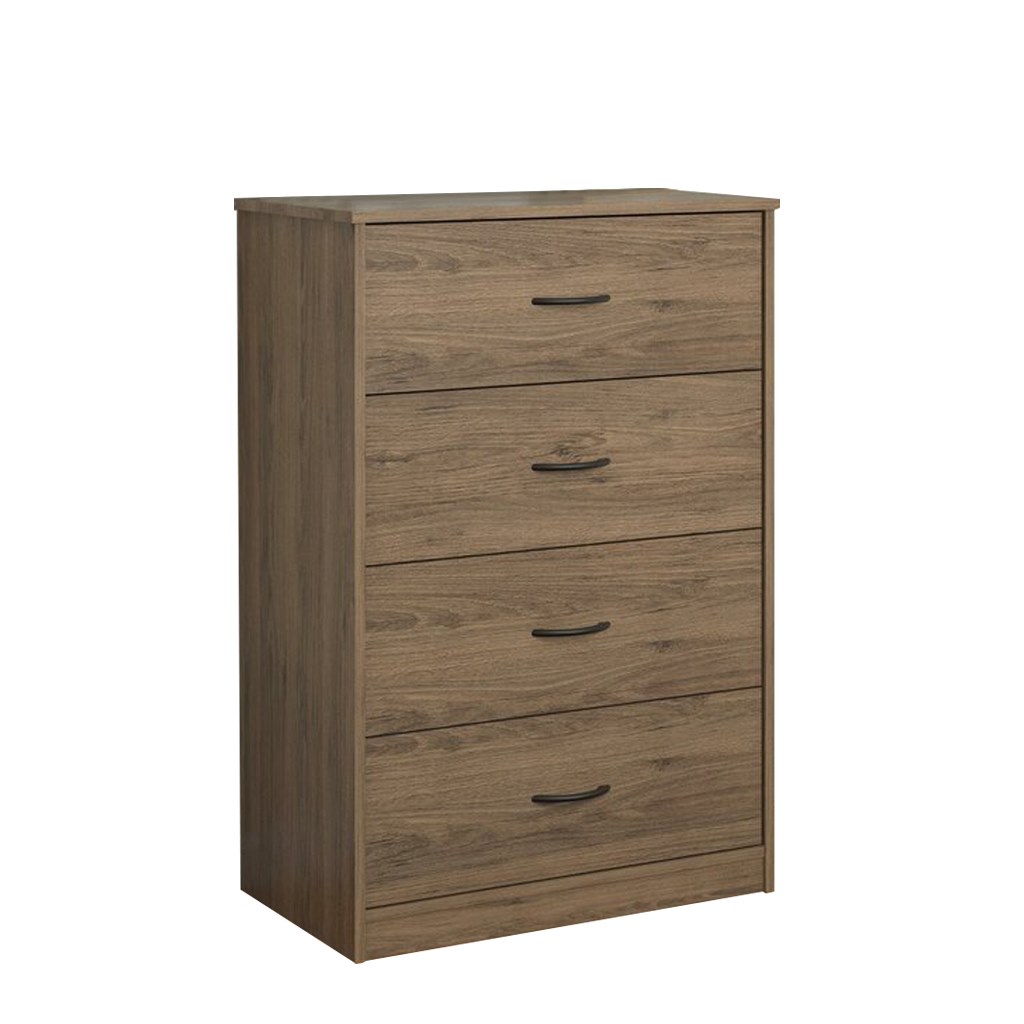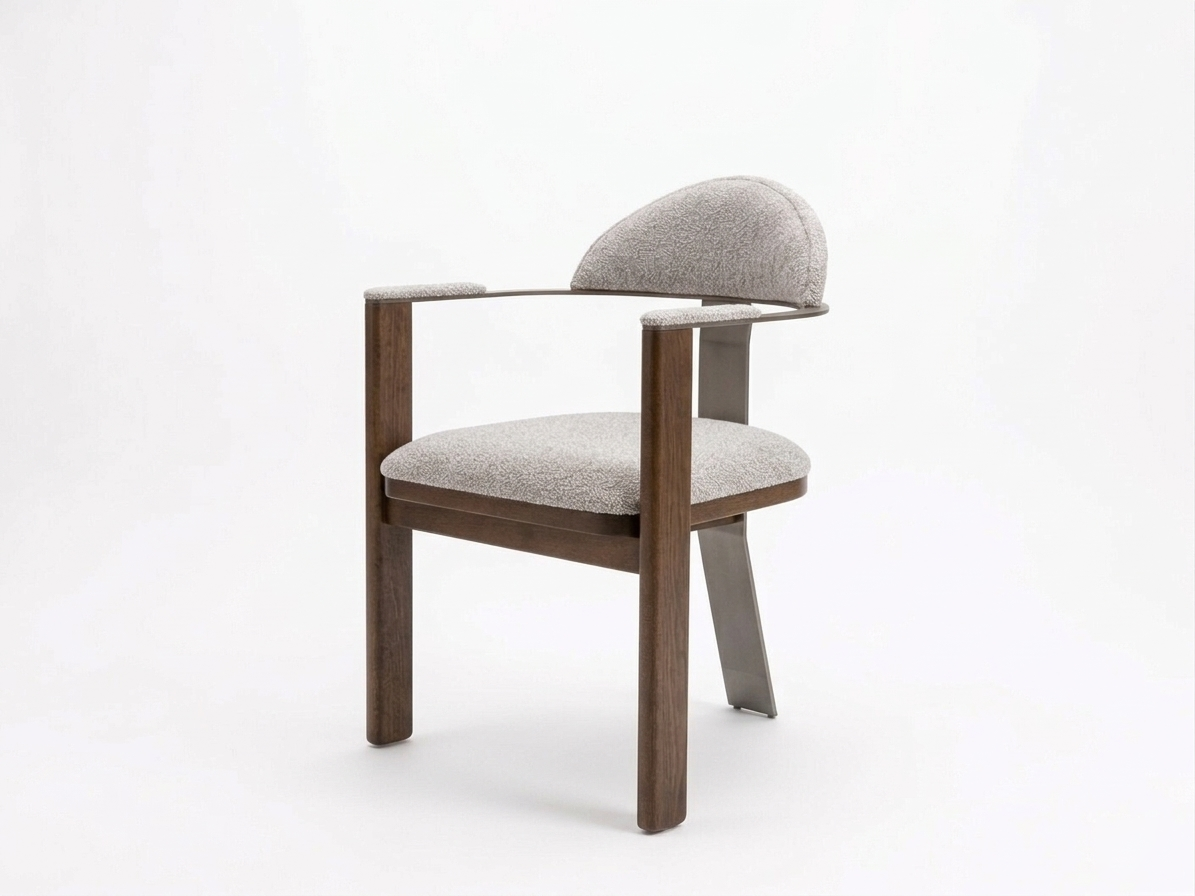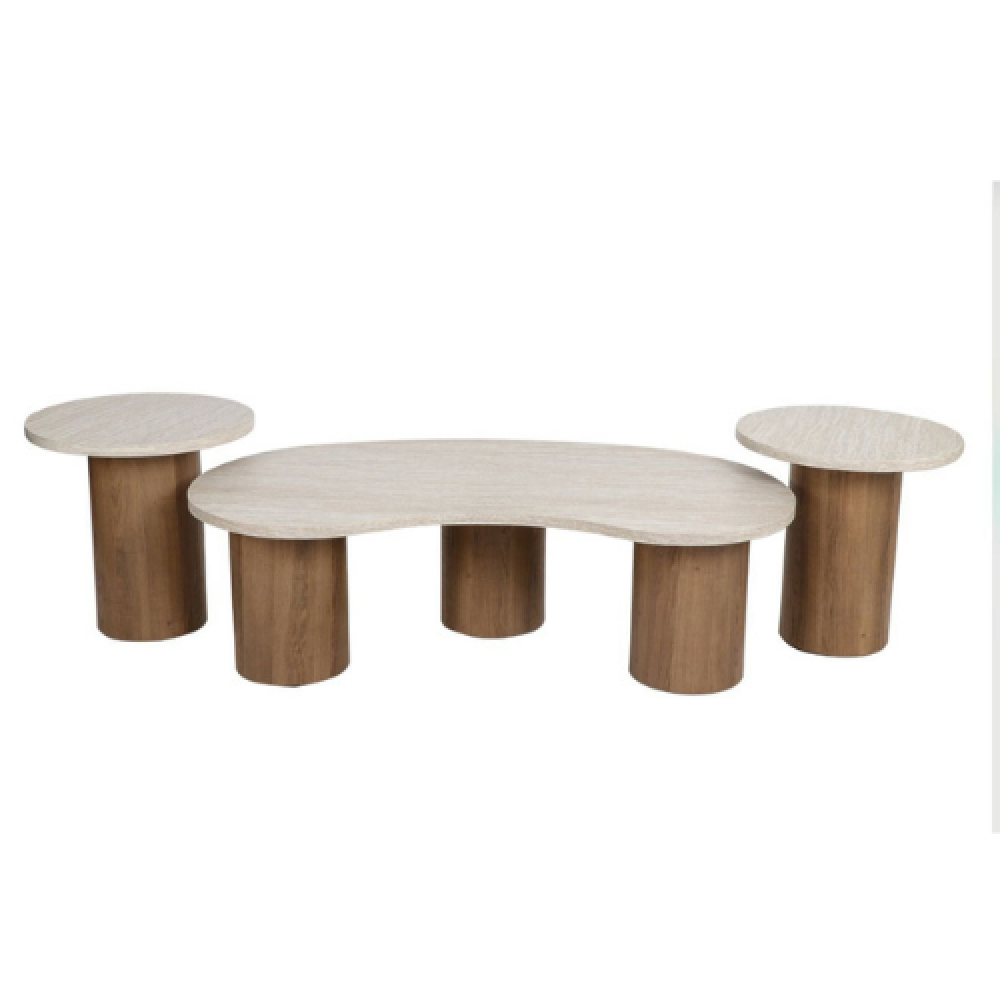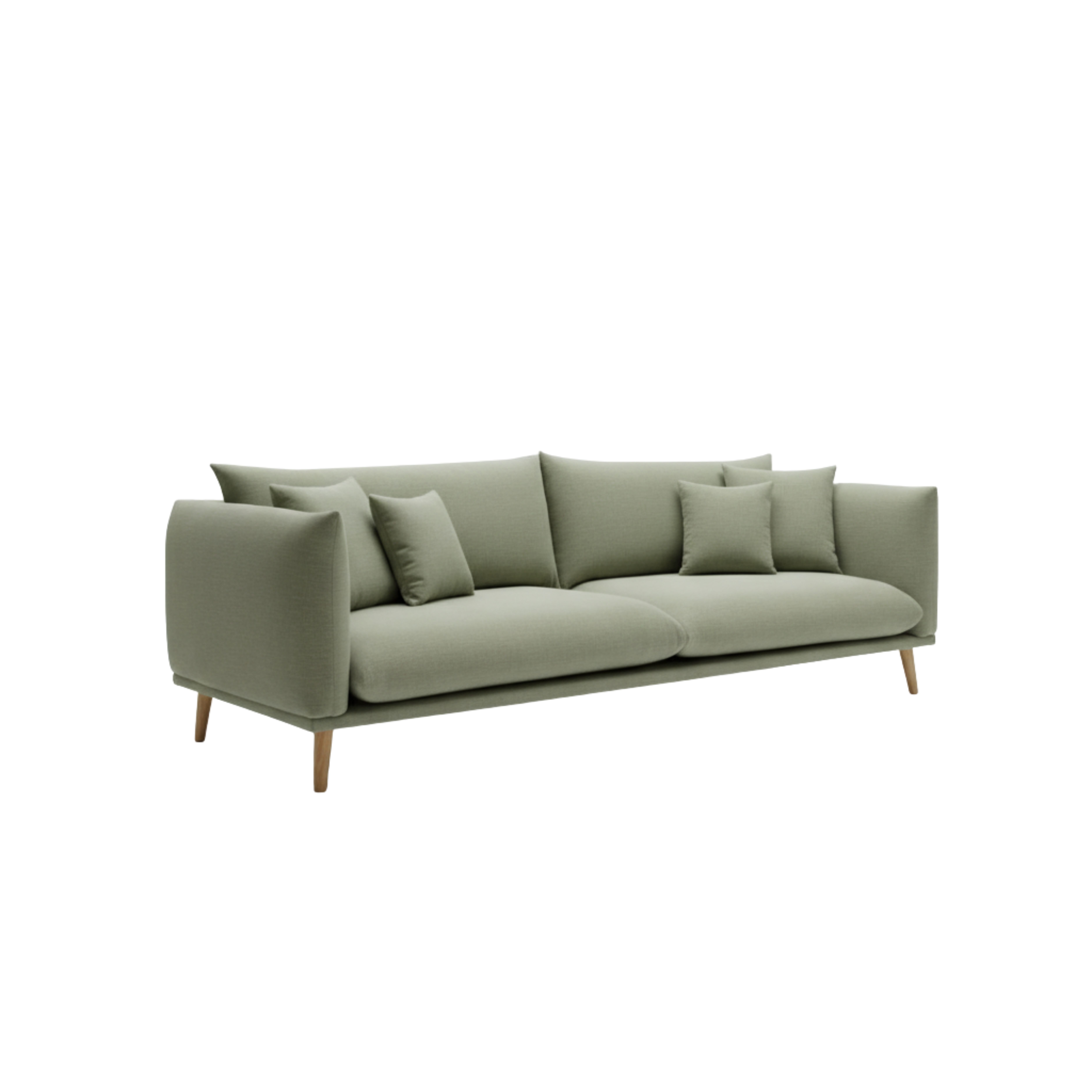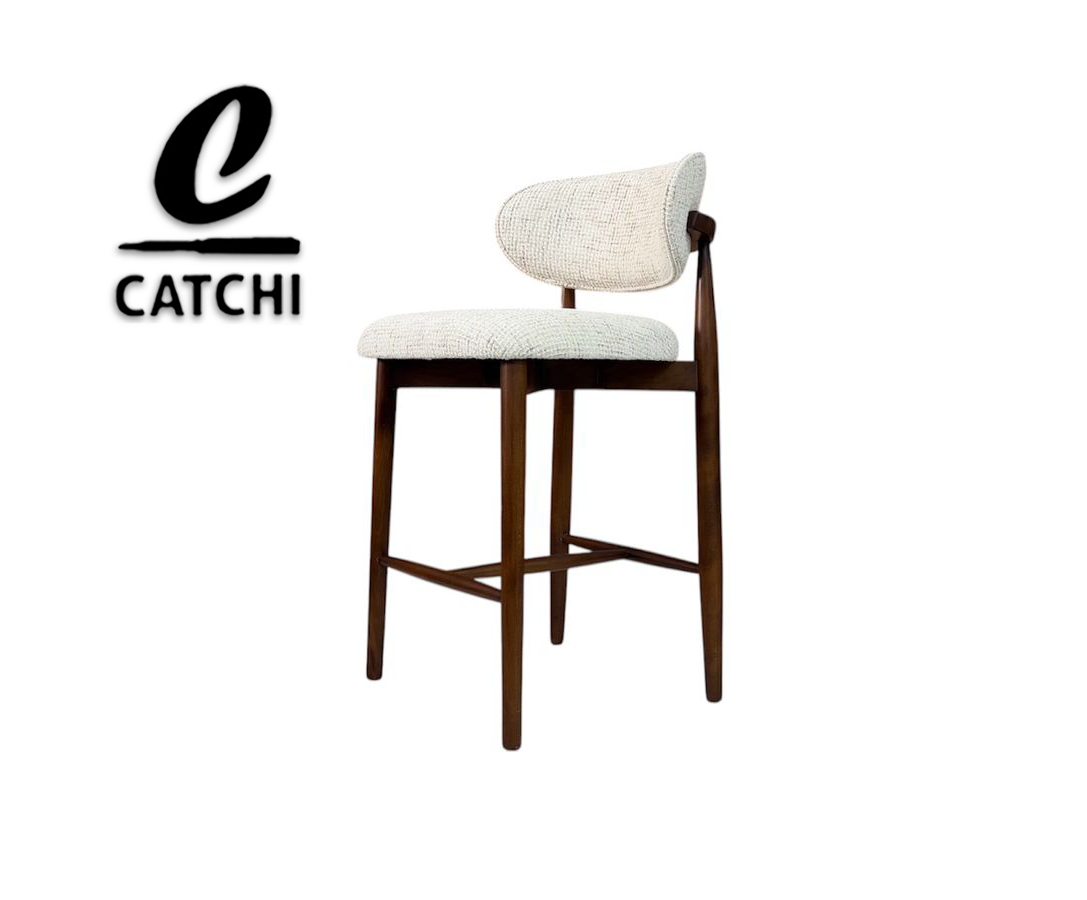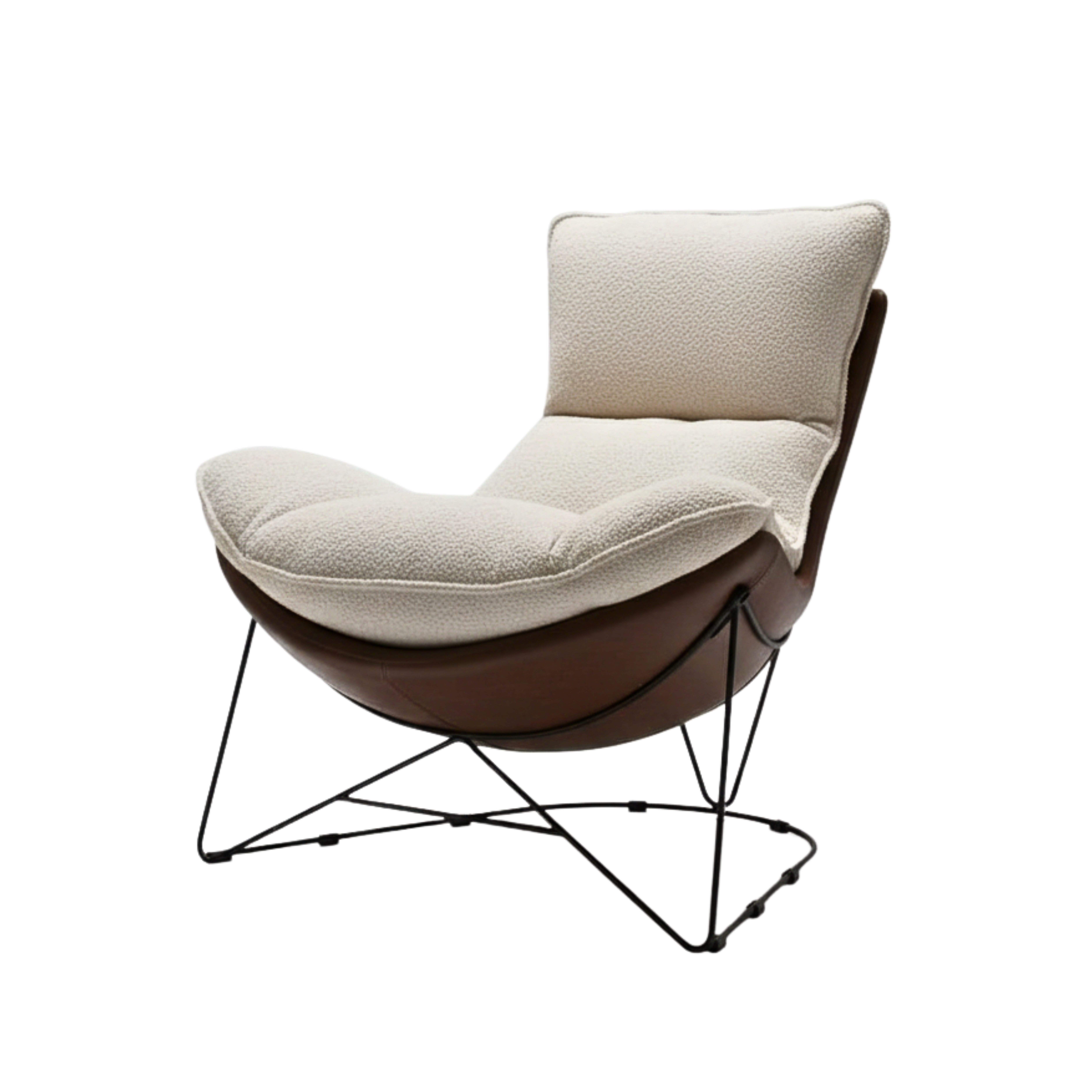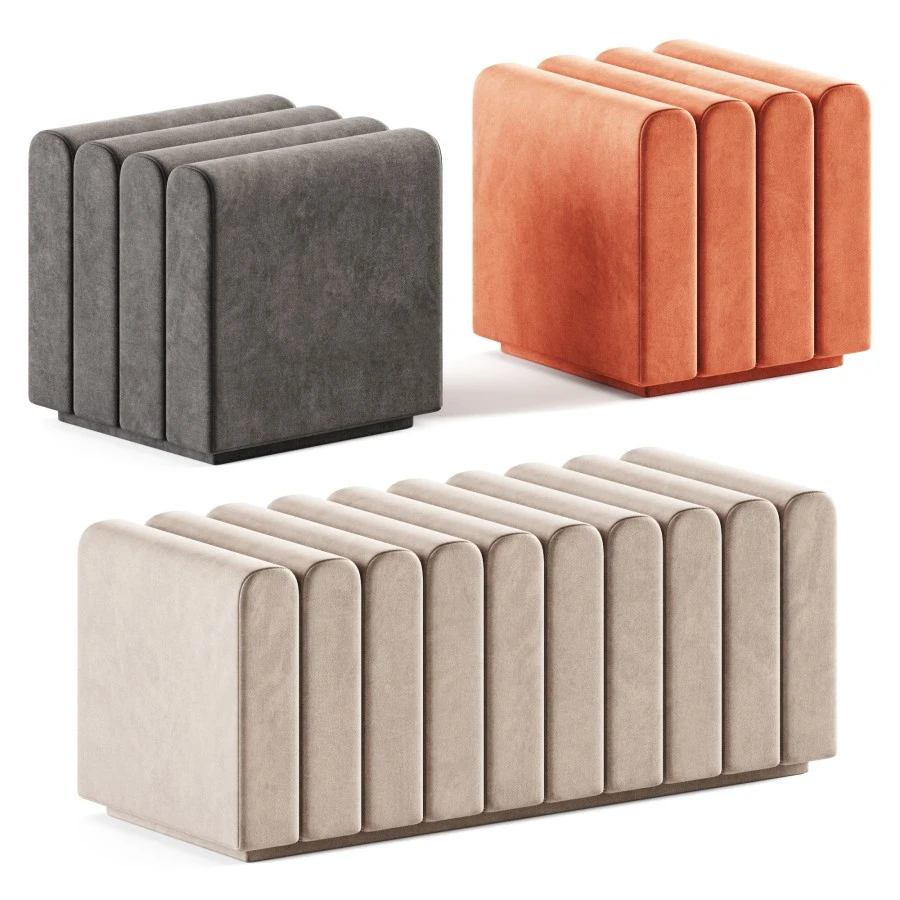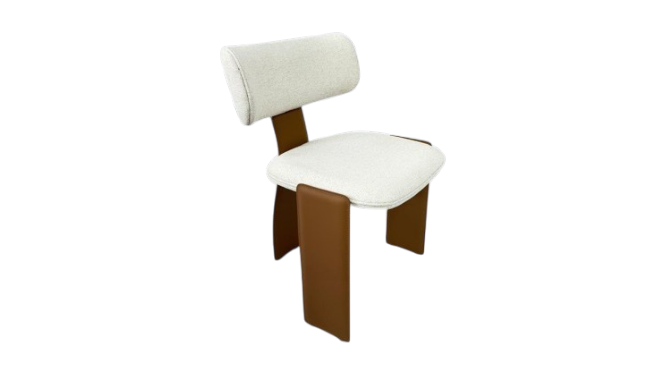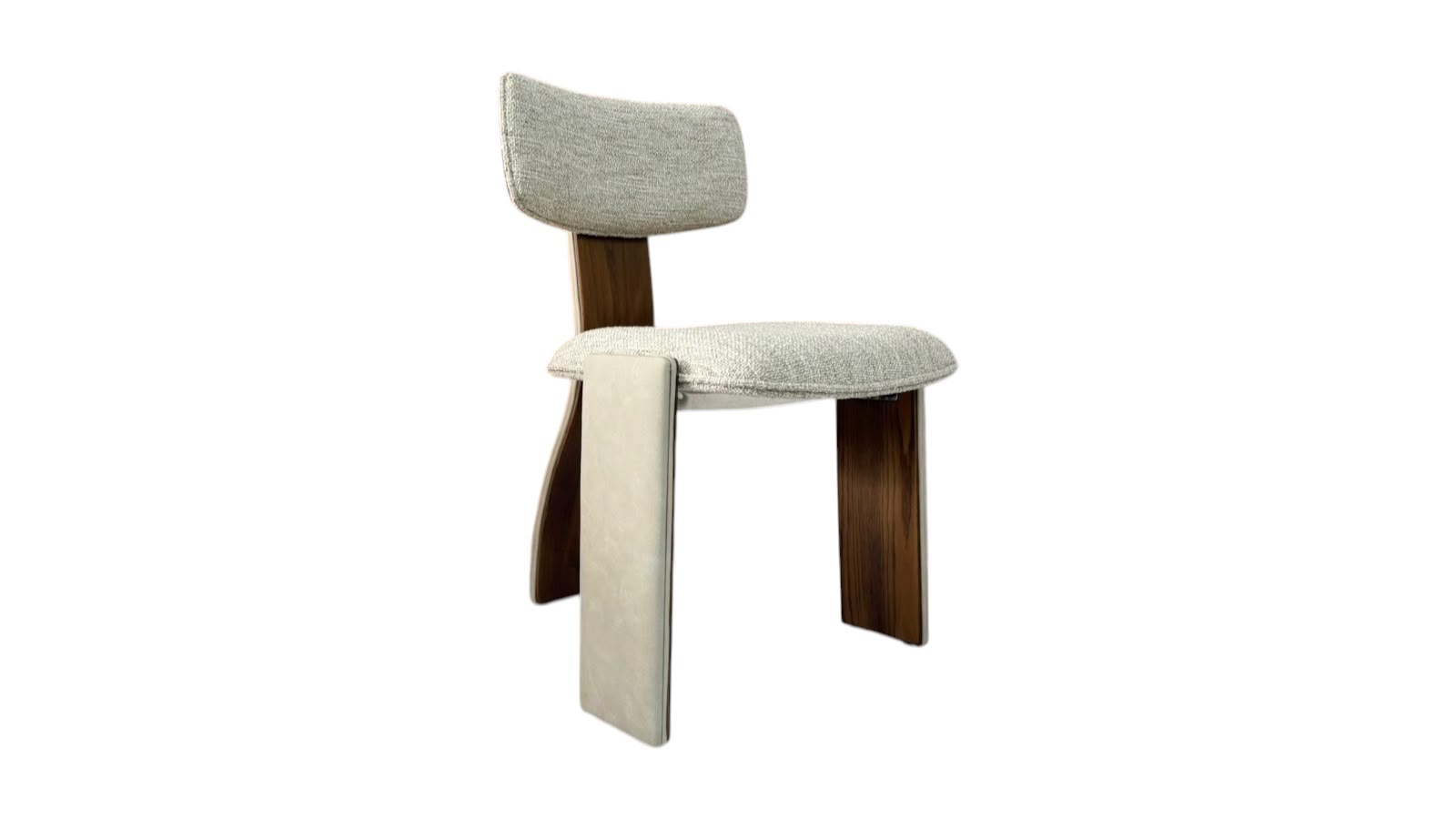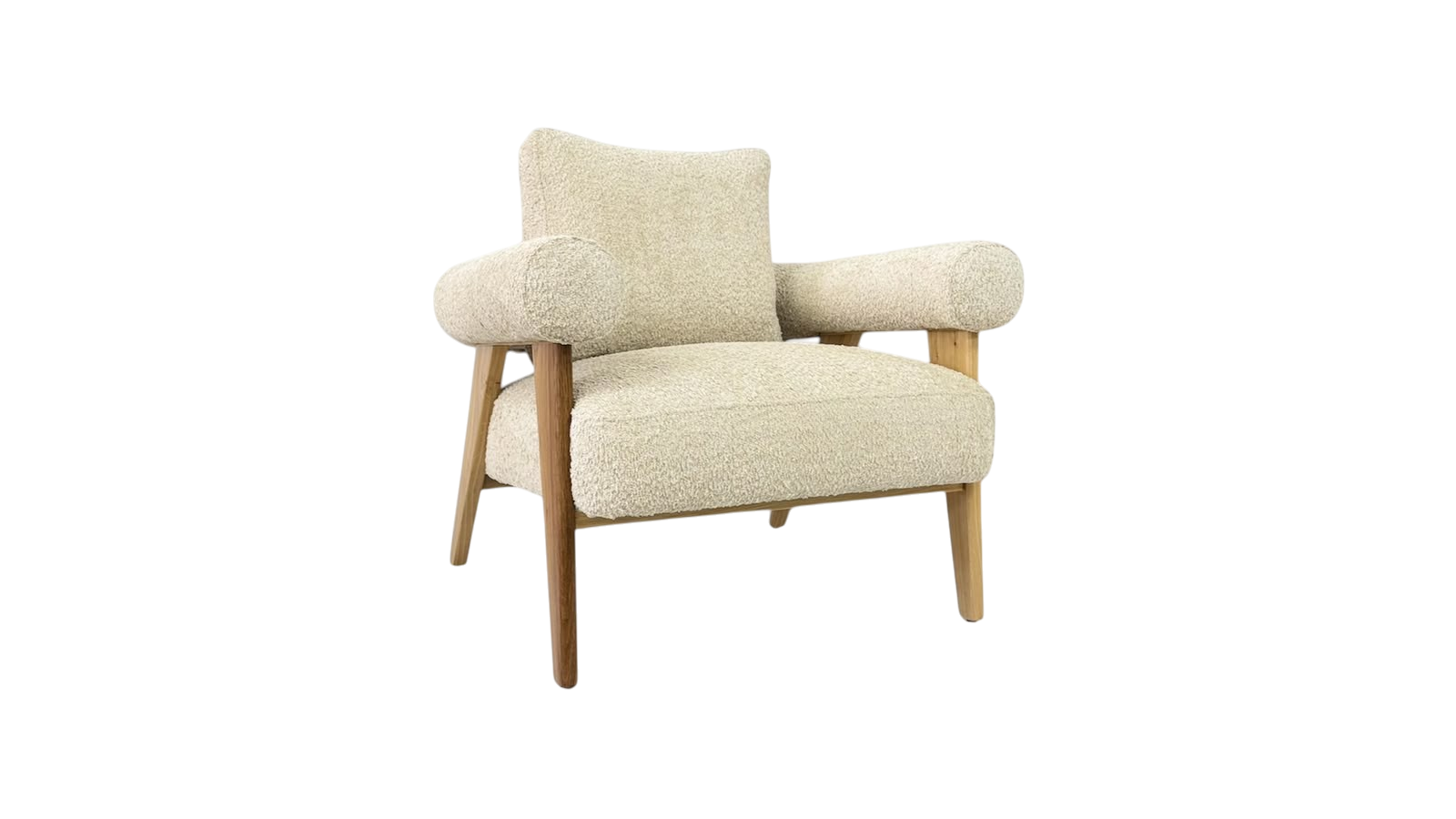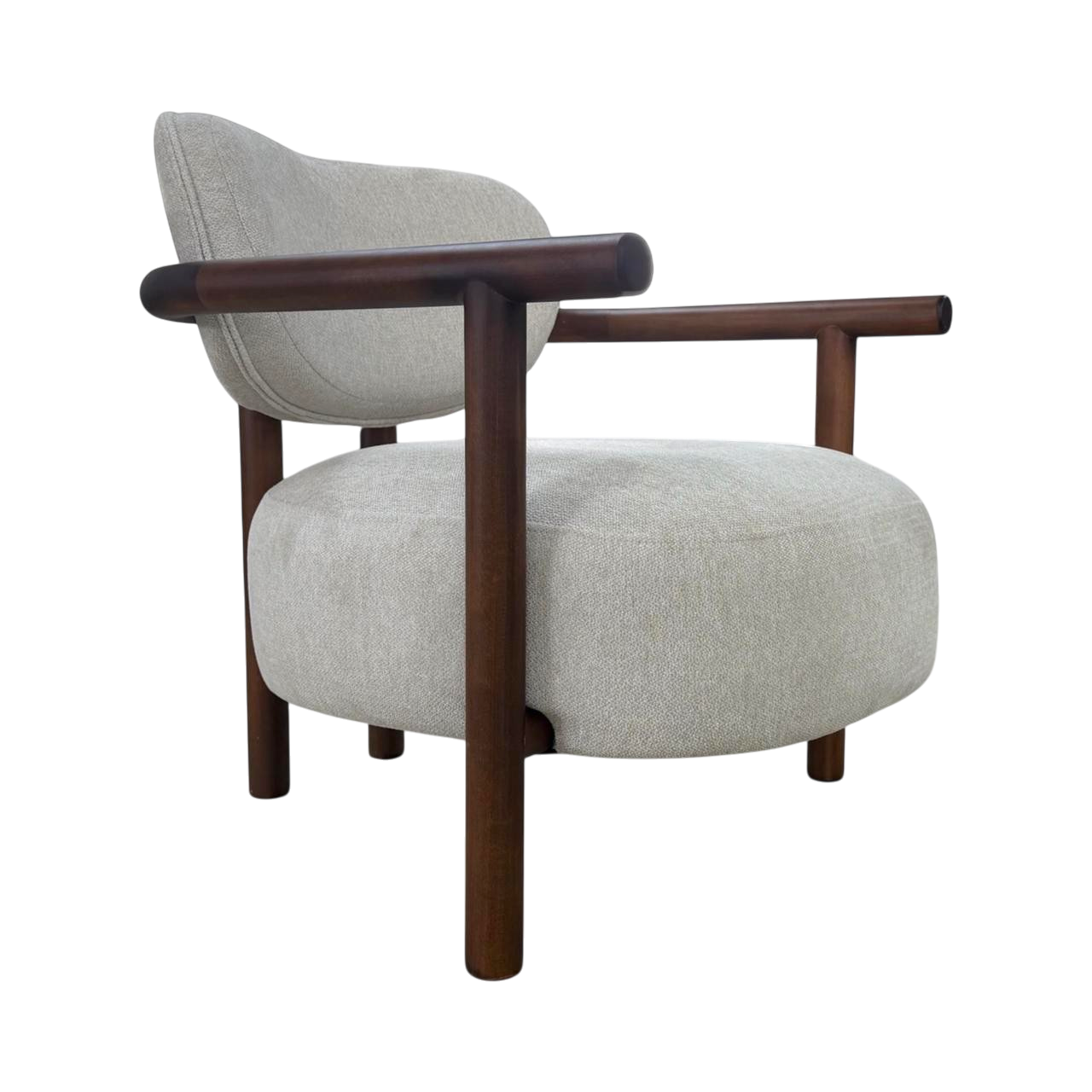
Premium furniture, unbeatable prices

The finest furniture at the best prices

Why Handcrafted Work Still Matters in a Modern World

Woodworking has always been more than a practical trade. It is an art form shaped by precision, patience and a deep respect for natural materials. Every project begins with raw timber, but the true transformation happens in the hands of the carpenter who understands its grain, structure and potential. Wood has its own character, and the craft lies in revealing its best qualities while bringing a functional idea to life. Carpentry has evolved over centuries, yet the foundation of the craft remains rooted in traditional methods. Hand-shaping wood, measuring by feel, and joining pieces with time-tested techniques still define the soul of the work. Modern tools expand possibilities, allowing carpenters to achieve finer accuracy and explore more complex designs. The blend of old and new creates a workflow where craftsmanship meets innovation. Every species of wood has a distinct personality. Oak offers strength and bold texture, while walnut brings warmth and refinement. Softwoods like pine provide flexibility and are ideal for shaping and decorative elements. A skilled woodworker reads the timber much like a musician reads notes, understanding where it will bend, where it may split and how it reacts to tools and finishes. This knowledge determines the durability, stability and beauty of the final product. Even with apps, bookings, and online presence, the essence of the barbershop remains human. The Process Behind the Work Behind every smooth board or flawless joint lies a series of deliberate steps. Preparing the wood, allowing it to acclimate, planing, shaping and aligning pieces require a methodical approach. Each stage influences the next, and mistakes made early can echo throughout the final structure. Patience is essential. Good carpentry does not rush; it moves forward with confidence and an understanding that quality comes from attention to detail. Woodworking balances utility and aesthetics. A well-built piece must feel solid, perform its purpose and withstand time. But carpentry also leaves space for individuality. The natural grain becomes part of the design, the subtle imperfections of handwork add authenticity, and thoughtful proportions create harmony. Whether constructing a timber frame, building cabinetry or crafting a simple table, the goal is always the same: to create something that feels both useful and meaningful. In a world filled with mass-produced furniture and disposable materials, traditional woodwork stands out as something genuine. A piece built by a skilled carpenter carries a sense of permanence. It reflects the maker’s experience, discipline and desire to create something that will last for years, possibly decades. This connection between the craftsman, the material and the final piece is what keeps woodworking relevant and respected today. Woodworking is a craft defined by precision, patience and an understanding of how natural materials behave. A carpenter works not only with tools but with the inherent character of wood, recognizing the subtle differences in grain, hardness and texture that influence every cut and joint. What begins as a raw, uneven board gradually transforms into something purposeful, shaped by skilled hands and careful decisions. Carpentry connects tradition with innovation. Many of the essential principles remain unchanged from the techniques used centuries ago, yet modern tools and materials expand what is possible. This blend allows the craft to evolve without losing its authenticity. Hand-shaping a detail, adjusting a joint by feel or selecting wood based on instinct still play an important role, even in workshops filled with advanced machinery. The relationship between carpenter and material is at the heart of the craft. Wood needs time to acclimate, time to settle, and time to be shaped. Rushing the process often leads to imperfections, while thoughtful pacing brings out stability and beauty. A well-made piece reflects this rhythm. Its structure feels balanced, its surfaces feel natural, and the grain flows in a way that enhances the design rather than distracts from it. Understanding the Material A finished piece of woodwork holds more than its functional purpose. It carries the time invested into it, the decisions made during shaping and the personality of the wood itself. Whether it becomes a piece of furniture, a structural element or a decorative feature, it stands as something crafted rather than manufactured. This is what gives woodworking its lasting appeal: the sense that every creation is unique, grounded in natural material and guided by human hands. This return to the tactile is not nostalgic – it is a response. As technology accelerates and digital spaces replace human ones, people crave experiences that feel real. Sitting in a barber’s chair, surrounded by the sound of clippers and quiet conversation, is a small rebellion against the speed of modern life. Every barbershop carries its own rhythm. There’s laughter, debate, the exchange of local news. It’s one of the few remaining places where strangers still talk to one another. For many, the barbershop is a kind of therapy – one without the couch or the clock. It is a place where vulnerability can exist in the midst of ordinary routine, where appearance and emotion intersect. Functional Design with Character Craftsmanship often begins long before the first tool touches the material. It starts with an idea, with the quiet moment when a creator imagines something that does not yet exist. The workshop becomes a place where thought slowly takes form, where raw materials wait to be guided into shape. There is a certain calmness in this process, a rhythm that feels almost timeless. The work that follows is never rushed. Every measurement, adjustment and correction is part of a larger conversation between the maker and the object taking shape. Some days the material cooperates, other days it resists, and the craftsperson must find the balance between control and understanding. This dialogue creates work that feels alive, grounded in real skill rather than quick production. Tools become extensions of the hands that hold them. A simple movement, repeated countless times, can define an entire project. The marks they leave behind tell a story—not of machines, but of human presence. Imperfections become character, the small traces of the maker’s decisions layered into the final …

How a Workshop Environment Shapes the Creative Process

Woodworking has always been more than a practical trade. It is an art form shaped by precision, patience and a deep respect for natural materials. Every project begins with raw timber, but the true transformation happens in the hands of the carpenter who understands its grain, structure and potential. Wood has its own character, and the craft lies in revealing its best qualities while bringing a functional idea to life. Carpentry has evolved over centuries, yet the foundation of the craft remains rooted in traditional methods. Hand-shaping wood, measuring by feel, and joining pieces with time-tested techniques still define the soul of the work. Modern tools expand possibilities, allowing carpenters to achieve finer accuracy and explore more complex designs. The blend of old and new creates a workflow where craftsmanship meets innovation. Every species of wood has a distinct personality. Oak offers strength and bold texture, while walnut brings warmth and refinement. Softwoods like pine provide flexibility and are ideal for shaping and decorative elements. A skilled woodworker reads the timber much like a musician reads notes, understanding where it will bend, where it may split and how it reacts to tools and finishes. This knowledge determines the durability, stability and beauty of the final product. Even with apps, bookings, and online presence, the essence of the barbershop remains human. The Process Behind the Work Behind every smooth board or flawless joint lies a series of deliberate steps. Preparing the wood, allowing it to acclimate, planing, shaping and aligning pieces require a methodical approach. Each stage influences the next, and mistakes made early can echo throughout the final structure. Patience is essential. Good carpentry does not rush; it moves forward with confidence and an understanding that quality comes from attention to detail. Woodworking balances utility and aesthetics. A well-built piece must feel solid, perform its purpose and withstand time. But carpentry also leaves space for individuality. The natural grain becomes part of the design, the subtle imperfections of handwork add authenticity, and thoughtful proportions create harmony. Whether constructing a timber frame, building cabinetry or crafting a simple table, the goal is always the same: to create something that feels both useful and meaningful. In a world filled with mass-produced furniture and disposable materials, traditional woodwork stands out as something genuine. A piece built by a skilled carpenter carries a sense of permanence. It reflects the maker’s experience, discipline and desire to create something that will last for years, possibly decades. This connection between the craftsman, the material and the final piece is what keeps woodworking relevant and respected today. Woodworking is a craft defined by precision, patience and an understanding of how natural materials behave. A carpenter works not only with tools but with the inherent character of wood, recognizing the subtle differences in grain, hardness and texture that influence every cut and joint. What begins as a raw, uneven board gradually transforms into something purposeful, shaped by skilled hands and careful decisions. Carpentry connects tradition with innovation. Many of the essential principles remain unchanged from the techniques used centuries ago, yet modern tools and materials expand what is possible. This blend allows the craft to evolve without losing its authenticity. Hand-shaping a detail, adjusting a joint by feel or selecting wood based on instinct still play an important role, even in workshops filled with advanced machinery. The relationship between carpenter and material is at the heart of the craft. Wood needs time to acclimate, time to settle, and time to be shaped. Rushing the process often leads to imperfections, while thoughtful pacing brings out stability and beauty. A well-made piece reflects this rhythm. Its structure feels balanced, its surfaces feel natural, and the grain flows in a way that enhances the design rather than distracts from it. Understanding the Material A finished piece of woodwork holds more than its functional purpose. It carries the time invested into it, the decisions made during shaping and the personality of the wood itself. Whether it becomes a piece of furniture, a structural element or a decorative feature, it stands as something crafted rather than manufactured. This is what gives woodworking its lasting appeal: the sense that every creation is unique, grounded in natural material and guided by human hands. This return to the tactile is not nostalgic – it is a response. As technology accelerates and digital spaces replace human ones, people crave experiences that feel real. Sitting in a barber’s chair, surrounded by the sound of clippers and quiet conversation, is a small rebellion against the speed of modern life. Every barbershop carries its own rhythm. There’s laughter, debate, the exchange of local news. It’s one of the few remaining places where strangers still talk to one another. For many, the barbershop is a kind of therapy – one without the couch or the clock. It is a place where vulnerability can exist in the midst of ordinary routine, where appearance and emotion intersect. Functional Design with Character Craftsmanship often begins long before the first tool touches the material. It starts with an idea, with the quiet moment when a creator imagines something that does not yet exist. The workshop becomes a place where thought slowly takes form, where raw materials wait to be guided into shape. There is a certain calmness in this process, a rhythm that feels almost timeless. The work that follows is never rushed. Every measurement, adjustment and correction is part of a larger conversation between the maker and the object taking shape. Some days the material cooperates, other days it resists, and the craftsperson must find the balance between control and understanding. This dialogue creates work that feels alive, grounded in real skill rather than quick production. Tools become extensions of the hands that hold them. A simple movement, repeated countless times, can define an entire project. The marks they leave behind tell a story—not of machines, but of human presence. Imperfections become character, the small traces of the maker’s decisions layered into the final …

The Subtle Connection Between Maker and Material

Woodworking has always been more than a practical trade. It is an art form shaped by precision, patience and a deep respect for natural materials. Every project begins with raw timber, but the true transformation happens in the hands of the carpenter who understands its grain, structure and potential. Wood has its own character, and the craft lies in revealing its best qualities while bringing a functional idea to life. Carpentry has evolved over centuries, yet the foundation of the craft remains rooted in traditional methods. Hand-shaping wood, measuring by feel, and joining pieces with time-tested techniques still define the soul of the work. Modern tools expand possibilities, allowing carpenters to achieve finer accuracy and explore more complex designs. The blend of old and new creates a workflow where craftsmanship meets innovation. Every species of wood has a distinct personality. Oak offers strength and bold texture, while walnut brings warmth and refinement. Softwoods like pine provide flexibility and are ideal for shaping and decorative elements. A skilled woodworker reads the timber much like a musician reads notes, understanding where it will bend, where it may split and how it reacts to tools and finishes. This knowledge determines the durability, stability and beauty of the final product. Even with apps, bookings, and online presence, the essence of the barbershop remains human. The Process Behind the Work Behind every smooth board or flawless joint lies a series of deliberate steps. Preparing the wood, allowing it to acclimate, planing, shaping and aligning pieces require a methodical approach. Each stage influences the next, and mistakes made early can echo throughout the final structure. Patience is essential. Good carpentry does not rush; it moves forward with confidence and an understanding that quality comes from attention to detail. Woodworking balances utility and aesthetics. A well-built piece must feel solid, perform its purpose and withstand time. But carpentry also leaves space for individuality. The natural grain becomes part of the design, the subtle imperfections of handwork add authenticity, and thoughtful proportions create harmony. Whether constructing a timber frame, building cabinetry or crafting a simple table, the goal is always the same: to create something that feels both useful and meaningful. In a world filled with mass-produced furniture and disposable materials, traditional woodwork stands out as something genuine. A piece built by a skilled carpenter carries a sense of permanence. It reflects the maker’s experience, discipline and desire to create something that will last for years, possibly decades. This connection between the craftsman, the material and the final piece is what keeps woodworking relevant and respected today. Woodworking is a craft defined by precision, patience and an understanding of how natural materials behave. A carpenter works not only with tools but with the inherent character of wood, recognizing the subtle differences in grain, hardness and texture that influence every cut and joint. What begins as a raw, uneven board gradually transforms into something purposeful, shaped by skilled hands and careful decisions. Carpentry connects tradition with innovation. Many of the essential principles remain unchanged from the techniques used centuries ago, yet modern tools and materials expand what is possible. This blend allows the craft to evolve without losing its authenticity. Hand-shaping a detail, adjusting a joint by feel or selecting wood based on instinct still play an important role, even in workshops filled with advanced machinery. The relationship between carpenter and material is at the heart of the craft. Wood needs time to acclimate, time to settle, and time to be shaped. Rushing the process often leads to imperfections, while thoughtful pacing brings out stability and beauty. A well-made piece reflects this rhythm. Its structure feels balanced, its surfaces feel natural, and the grain flows in a way that enhances the design rather than distracts from it. Understanding the Material A finished piece of woodwork holds more than its functional purpose. It carries the time invested into it, the decisions made during shaping and the personality of the wood itself. Whether it becomes a piece of furniture, a structural element or a decorative feature, it stands as something crafted rather than manufactured. This is what gives woodworking its lasting appeal: the sense that every creation is unique, grounded in natural material and guided by human hands. This return to the tactile is not nostalgic – it is a response. As technology accelerates and digital spaces replace human ones, people crave experiences that feel real. Sitting in a barber’s chair, surrounded by the sound of clippers and quiet conversation, is a small rebellion against the speed of modern life. Every barbershop carries its own rhythm. There’s laughter, debate, the exchange of local news. It’s one of the few remaining places where strangers still talk to one another. For many, the barbershop is a kind of therapy – one without the couch or the clock. It is a place where vulnerability can exist in the midst of ordinary routine, where appearance and emotion intersect. Functional Design with Character Craftsmanship often begins long before the first tool touches the material. It starts with an idea, with the quiet moment when a creator imagines something that does not yet exist. The workshop becomes a place where thought slowly takes form, where raw materials wait to be guided into shape. There is a certain calmness in this process, a rhythm that feels almost timeless. The work that follows is never rushed. Every measurement, adjustment and correction is part of a larger conversation between the maker and the object taking shape. Some days the material cooperates, other days it resists, and the craftsperson must find the balance between control and understanding. This dialogue creates work that feels alive, grounded in real skill rather than quick production. Tools become extensions of the hands that hold them. A simple movement, repeated countless times, can define an entire project. The marks they leave behind tell a story—not of machines, but of human presence. Imperfections become character, the small traces of the maker’s decisions layered into the final …

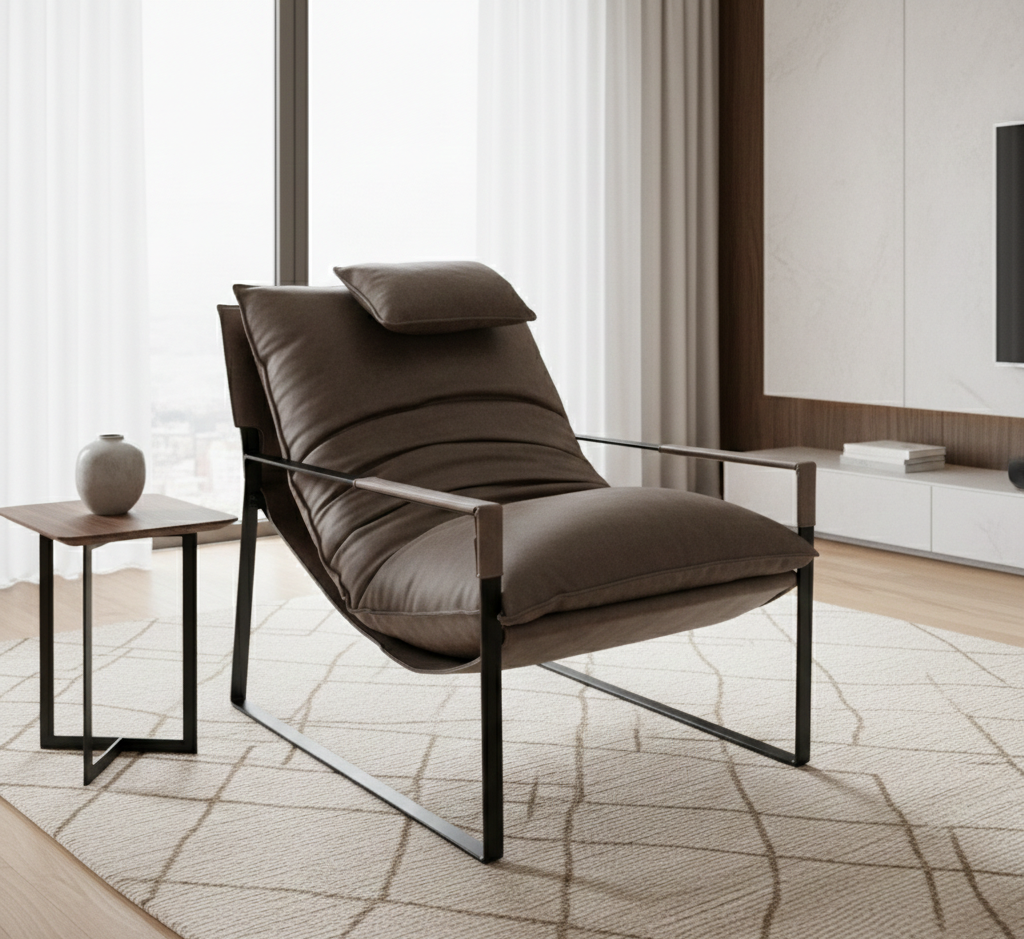
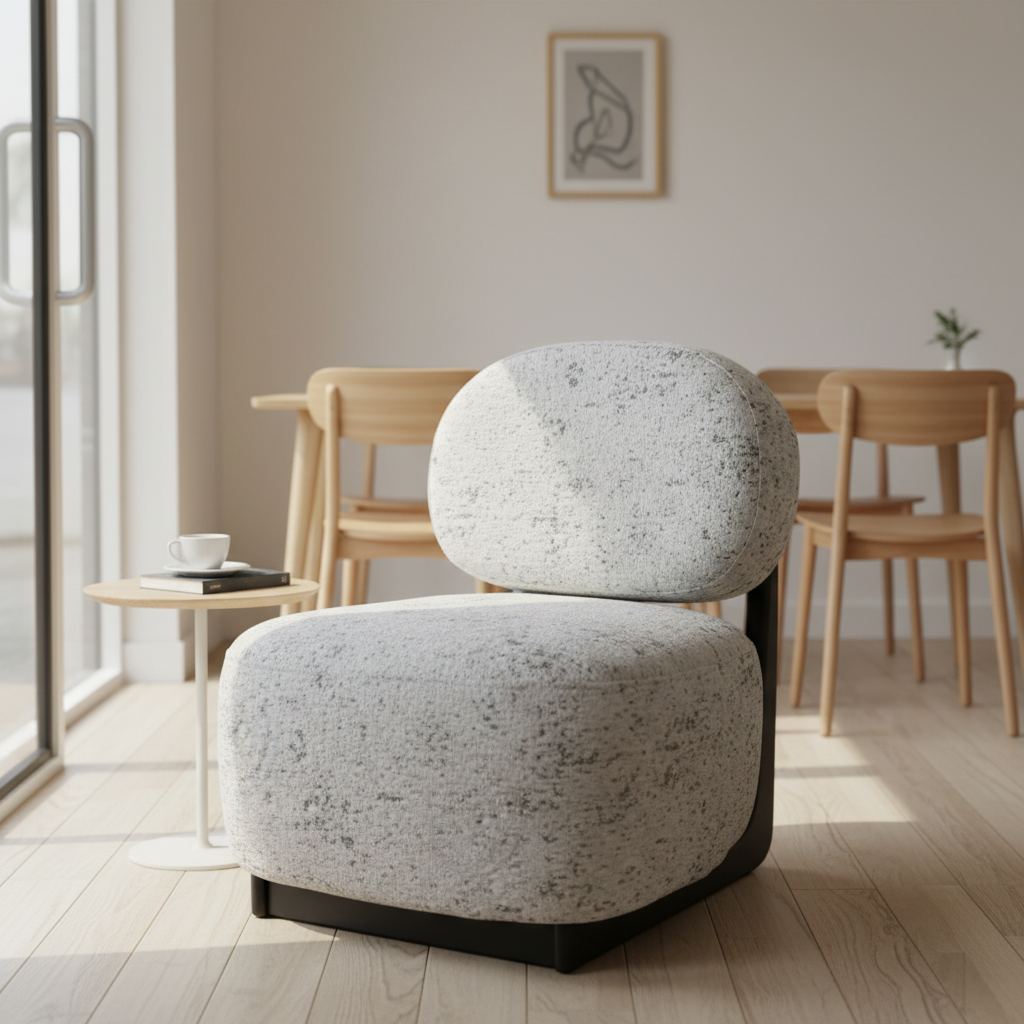
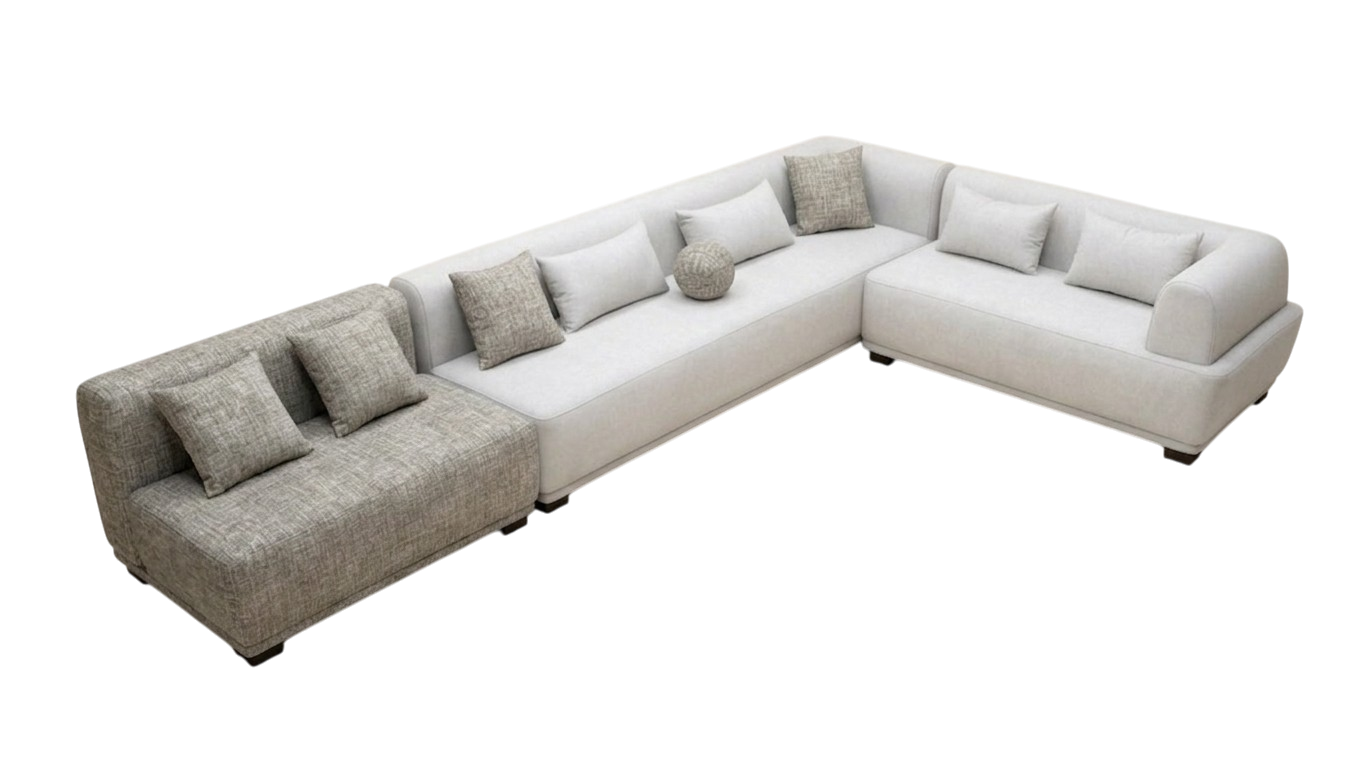
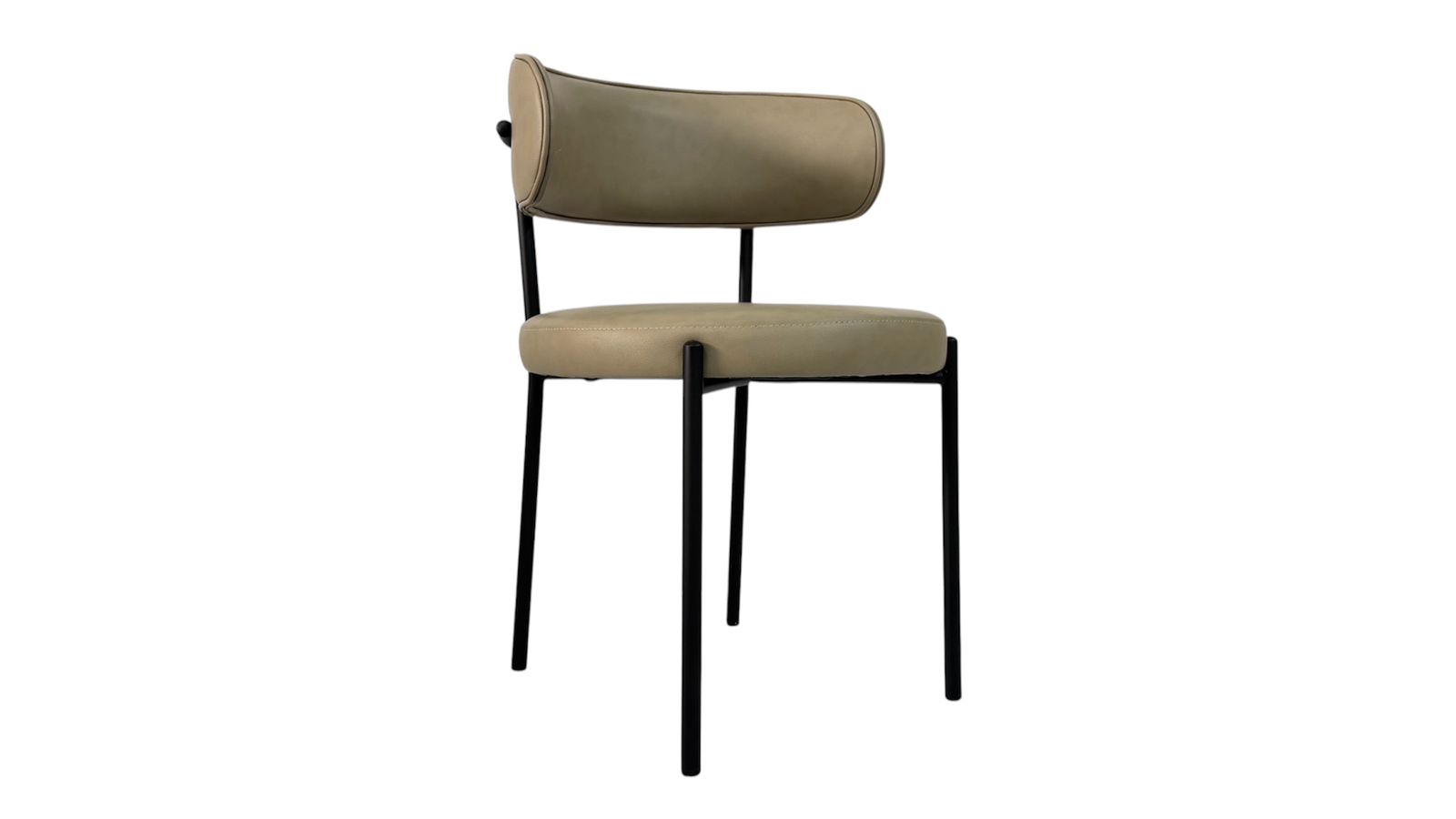
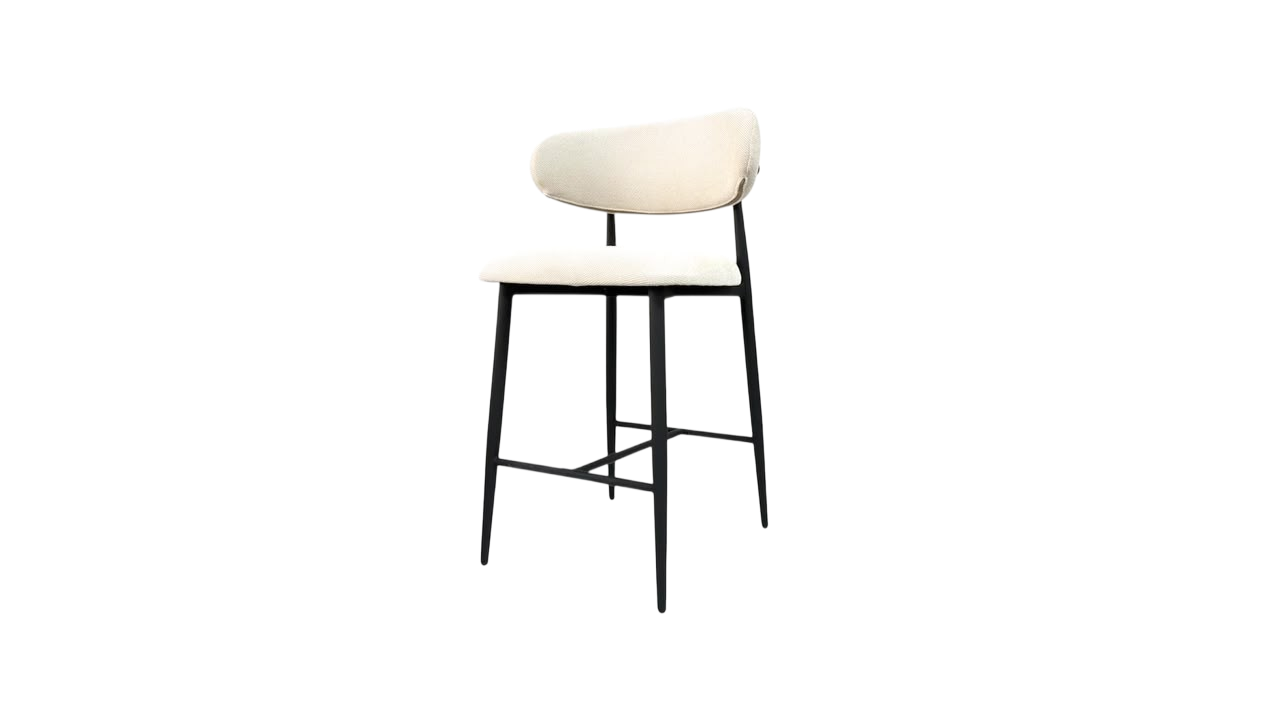
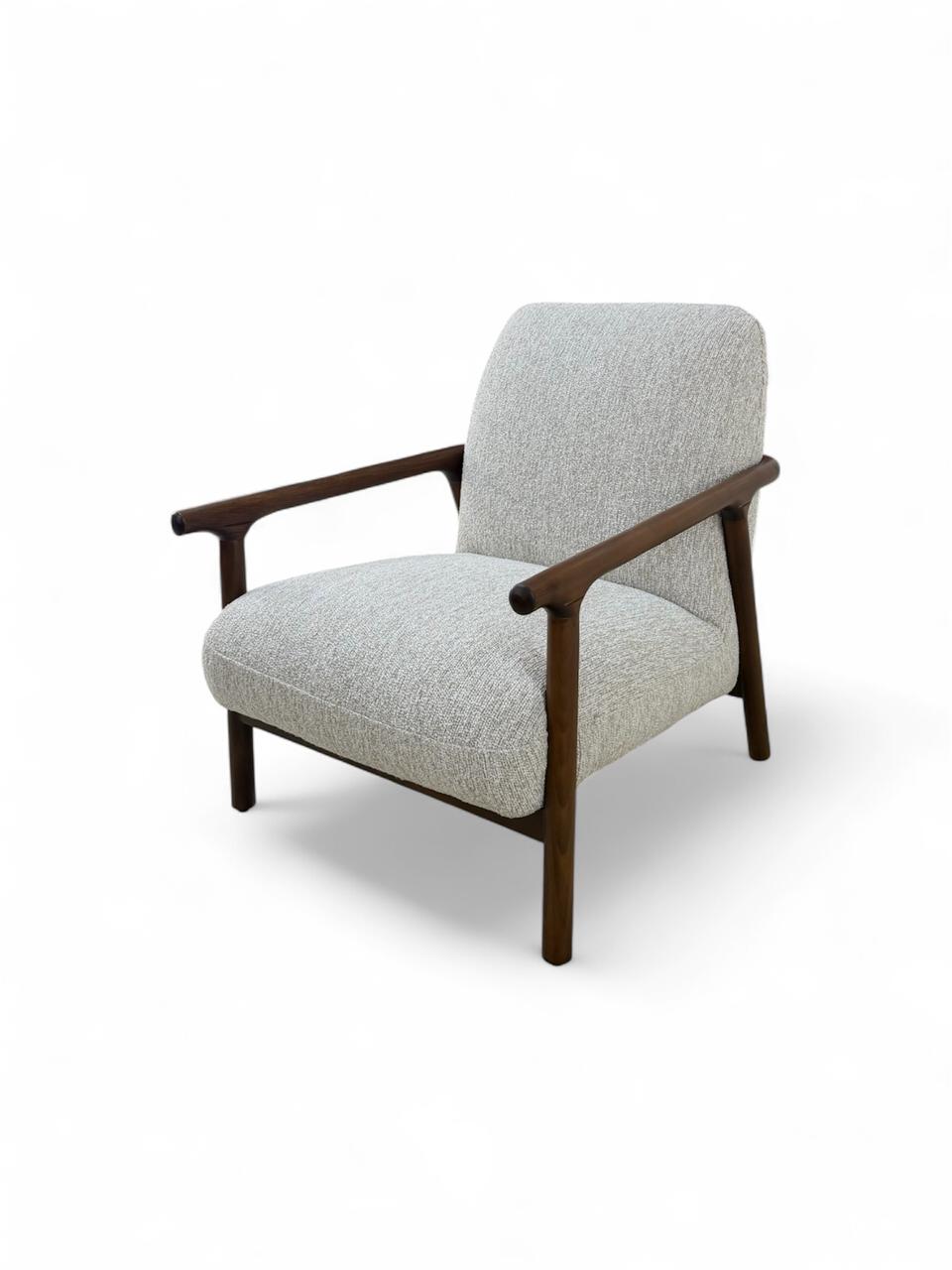
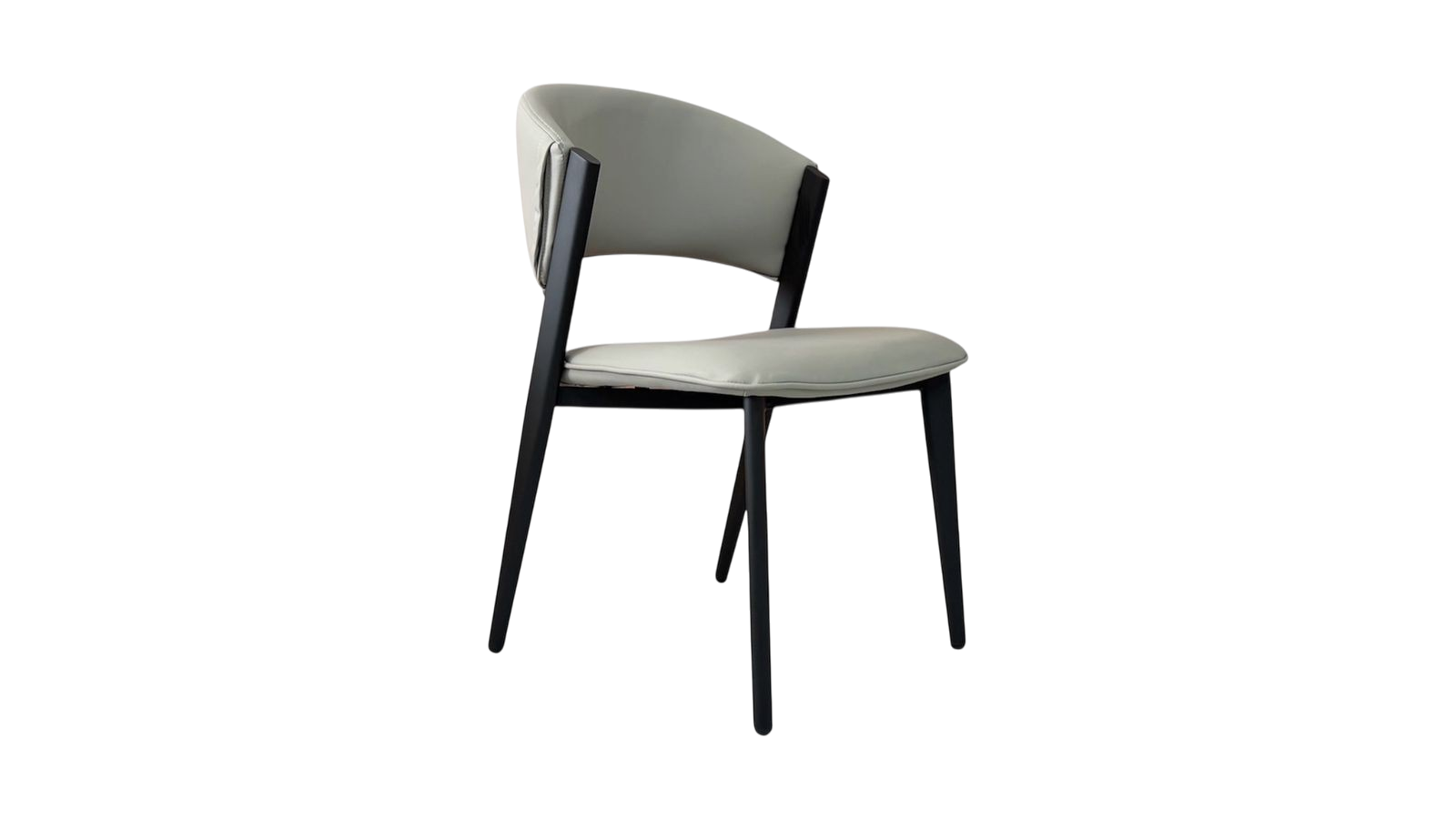
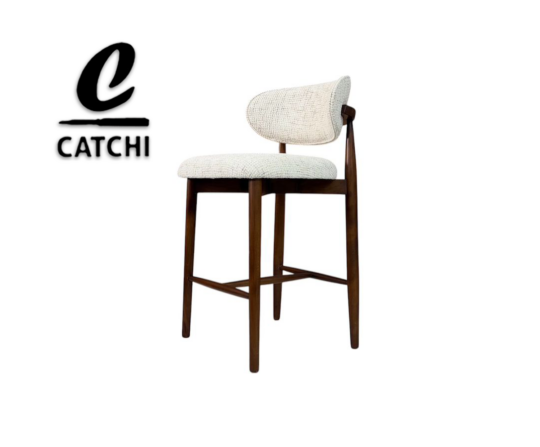
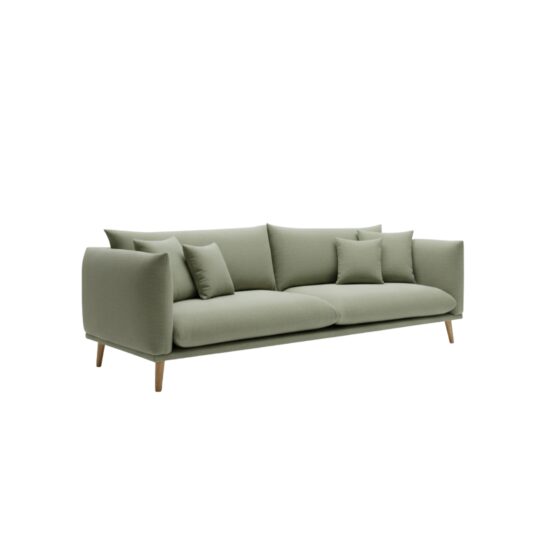
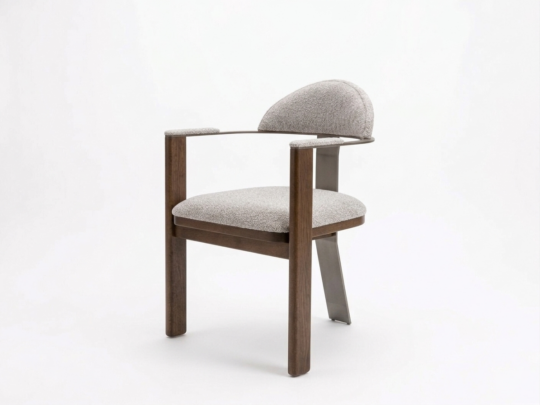
The Art of Luxury Seating & Comfort

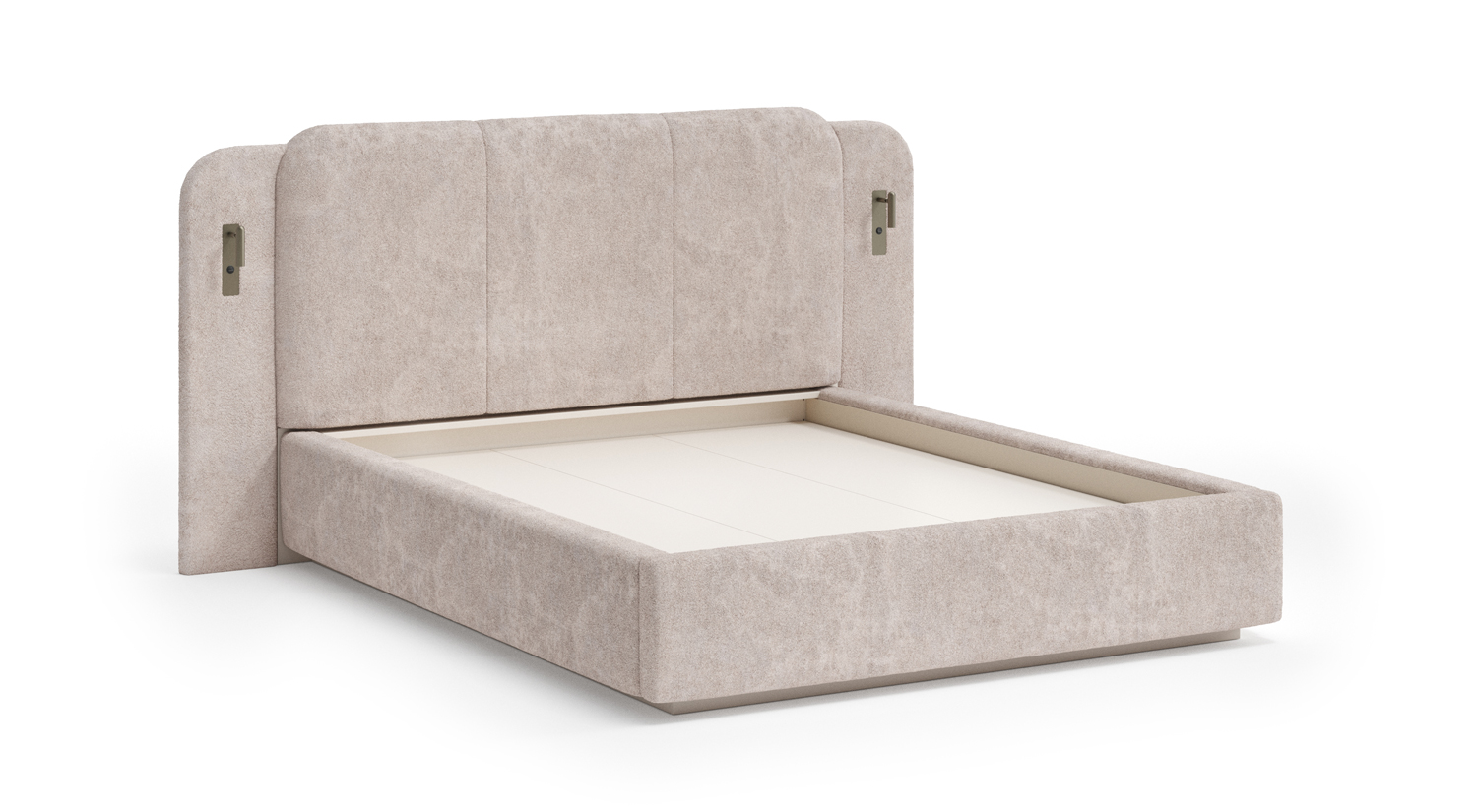
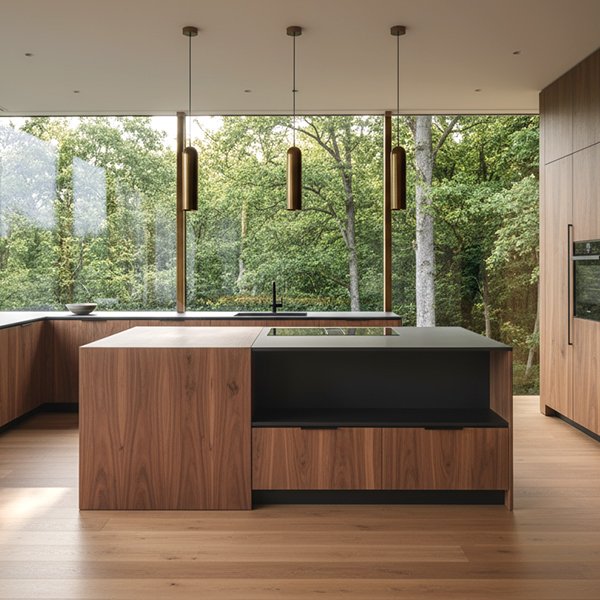
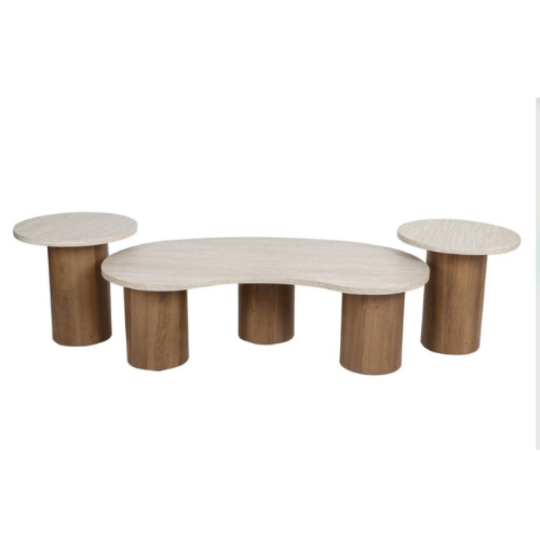
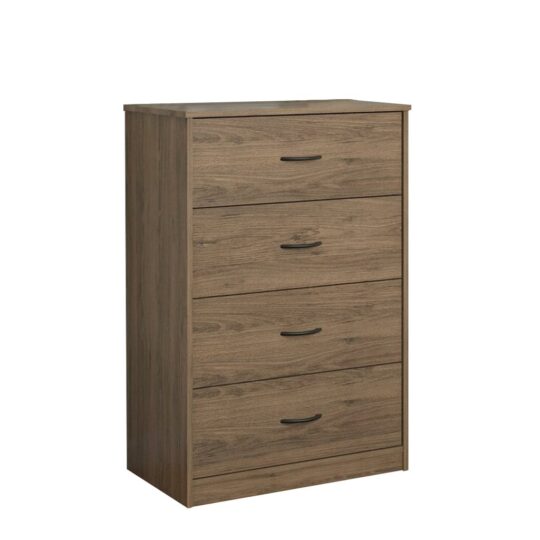
Smart Storage Solutions with a Touch of Luxury

Google Rating
4.95
Open your mind to the
possibility of wood forestry
about company
Catchy Salon | The Art of Furniture & Craftsmanship

 Luxury furniture is not measured by how it looks, but by how it makes a space feel — and by the lasting impression it leaves beyond the first glance.

16
years of
experience
THE ESSENCE OF LUXURY FURNITURE

EXPLORE OUR EXCLUSIVE COLLECTIONS

We carefully select our woods, handpick premium fabrics, and subject every stage of production to rigorous quality standards.

Nothing is left to chance.

  • Custom Designs We create bespoke furniture tailored to your specific style and space, ensuring every piece is unique to your home.
  • Premium Quality We use the finest wood and world-class fabrics to guarantee durability and elegance that lasts for generations.
  • Expert Craftsmanship Our furniture is handcrafted by master artisans with years of experience in the furniture industry.
  • Perfect Finishing We pay attention to the smallest details, ensuring a high-end finish that reflects luxury and sophistication.

New arrival

  • All
  • Beds
  • Special Pieces
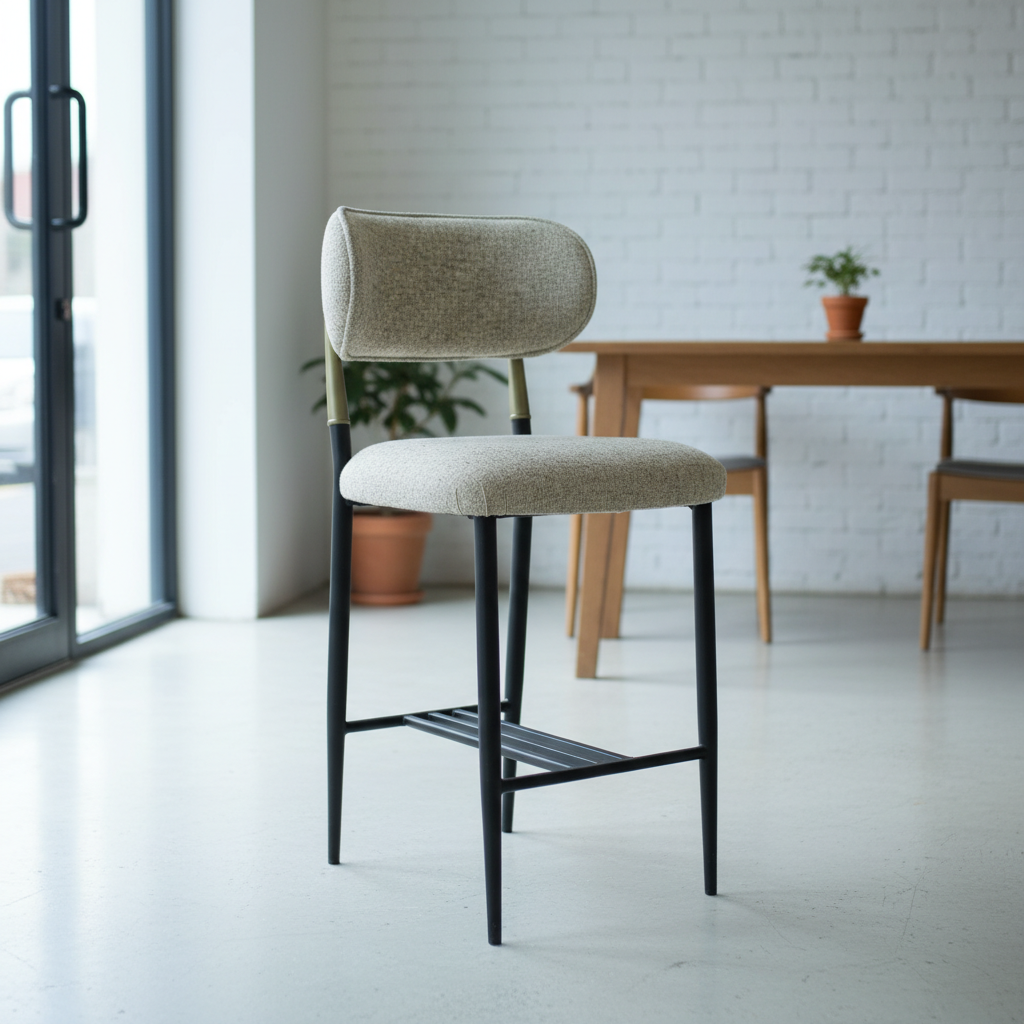
  •  chairs
  • Office & Workstations
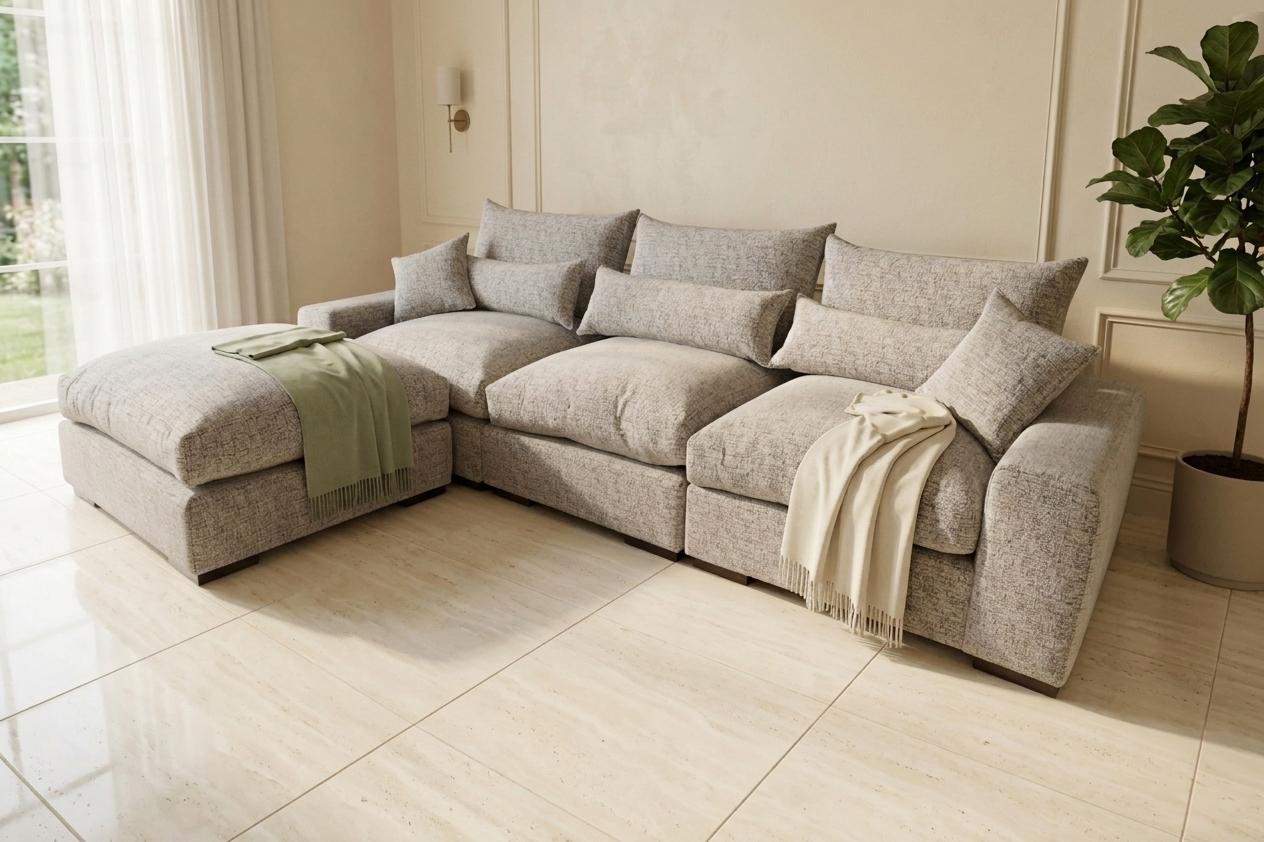
  • Sofas & Seating
  • Tables
  • TV Units
  • Cabinets & Storage
Load More

End of Content.

Mastering the Craft of Fine Furniture
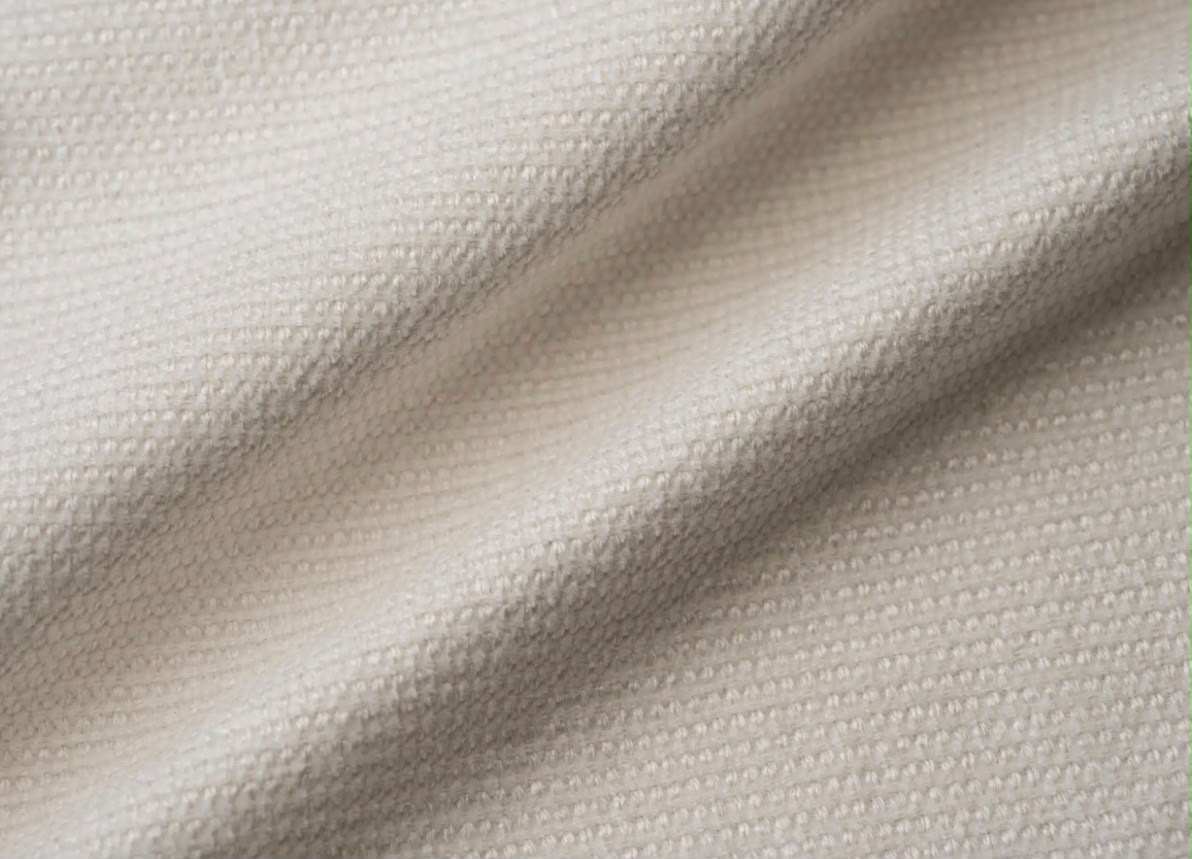
  •  <span class="lte-header lte-h6"> Material Selection </span> Material Selection We handpick the finest hardwoods and premium fabrics to ensure every piece meets our luxury standards.
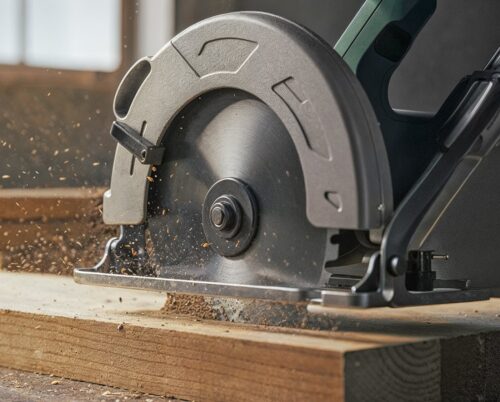
  •  <span class="lte-header lte-h6"> Precision Manufacturing </span> Precision Manufacturing Our factory uses advanced machinery and traditional techniques to achieve perfect dimensions and durability.
  •  <span class="lte-header lte-h6"> Quality Inspection </span> Quality Inspection Every sofa, bed, and chair undergoes a rigorous multi-stage check before it leaves our workshop.
testimonials
Customers’ Experience
..
..
..
..
..
..
helpful information
Frequently Asked
Questions

 Yes, we specialize in Custom Designs. We can manufacture any piece of furniture to fit your specific space and style requirements perfectly.

 We prioritize Premium Quality by using the finest hardwoods and high-end international fabrics to ensure durability and elegance.

Thanks to our Expert Craftsmanship and efficient Precision Manufacturing, orders typically take 3 to 6 weeks, depending on the complexity and detail of the design.

make an appointment

    Make an appointment by phone:
    • 2-583-018-36-28